
Genel Değerlendirme
Yazarlar

Özet
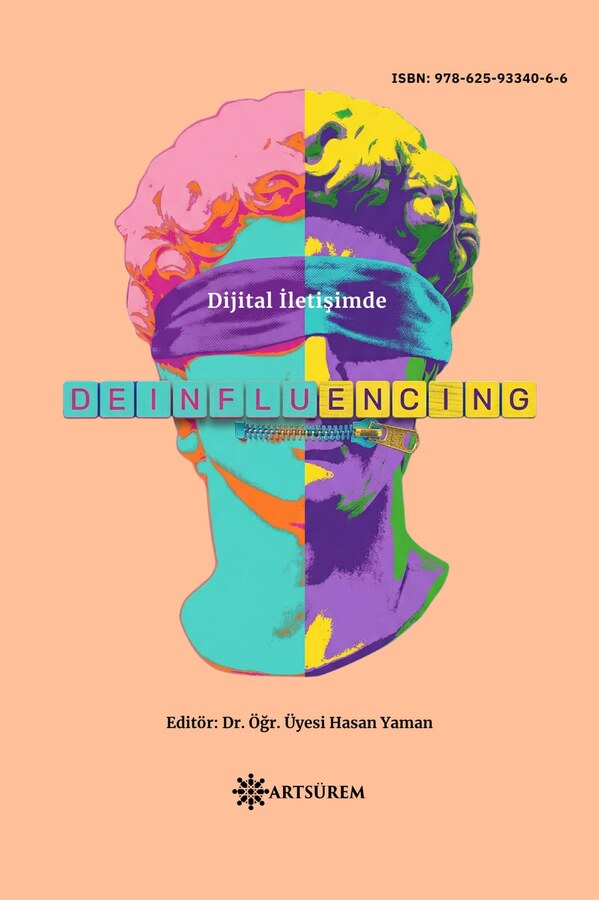
This editorial conclusion synthesises the volume’s four chapters and reformulates their collective contribution as a book-level argument. The chapter shows that de-influencing is neither merely a set of negative product reviews nor a complete exit from consumption culture. Instead, it is a hybrid, platform-specific practice of refusal that emerges where recommendation fatigue, trust erosion, ethical restraint, digital labour, and visibility politics intersect. Building on the volume’s discussions, the conclusion argues that de-influencing should be understood as an immanent and contradictory response to the crises generated by platform capitalism. It discourages particular purchases and consumption habits, yet it continues to circulate through the same attention architectures, algorithmic incentives, and self-branding economies that sustain influencer culture. The chapter identifies three enabling conditions behind the rise of de-influencing: the saturation of recommendation economies, the accumulation of economic, ethical, and psychological pressures on users, and the affordances of platforms that reward critique, negative rhetoric, and recontextualisation. It further outlines the implications of this argument for communication studies by showing how de-influencing redefines influence as the capacity not only to persuade consumption but also to slow down, redirect, or suspend it. Finally, the conclusion highlights the volume’s main limitations and proposes future research directions concerning platform comparison, audience reception, labour conditions, regulation, and the long-term institutionalisation of de-influencing. In this way, the chapter closes the volume by positioning de-influencing as a durable conceptual tool for analysing influence, trust, refusal, and consumer culture in the platform age.
İndir
Sayfalar
Gelecek
Lisans

Bu çalışma Creative Commons Attribution-NonCommercial 4.0 International License ile lisanslanmıştır.
