
De-Influencing in Digital Communication
Authors

Keywords:
de-influencing, digital communication, platform capitalism, anti-consumption, consumption culture, ethical restraint, ethical refusal, political consumerism, digital labour, influencer economy, trust repair, paradox of authenticity, parasocial interactionSynopsis
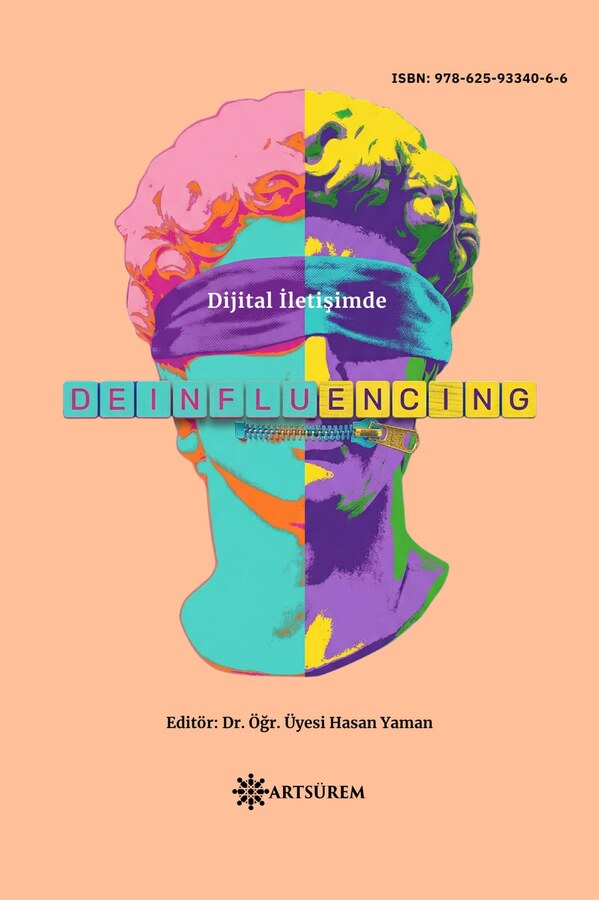
De-Influencing in Digital Communication approaches content practices that discourage consumption on social media not as a short-lived platform trend or a negative mirror image of influencer marketing, but as a critical object of digital communication. The book brings together four chapters, framed by an editorial introduction and a concluding assessment, that examine de-influencing through consumer culture, anti-consumption, platform capitalism, digital labour and digital trust. Discussing forms of refusal, the limits of ethical restraint, the political economy of influencer labour and the paradox of authenticity, the chapters show de-influencing to be a hybrid communicative practice through which trust is renegotiated within the recommendation economy.
Chapters
-
Editorial Introduction: Rethinking De-Influencing as a Critical Object of Digital Communication
-
De-Influencing Practices in the Digital Communication Ecosystem: Forms of Refusal and Anti-Consumption Politics under Platform Capitalism
-
Consumer Culture, Anti-Consumption and Ethical Restraint: A Theoretical Framework for De-Influencing
-
Rethinking Influencer Culture as Digital Labour: The Political Economy of Platform Capitalism and De-Influencing
-
Building Digital Trust and the Paradox of Authenticity in De-Influencing: Engagement Economy through the Lens of User Motivations
-
Editorial Conclusion: Thinking De-Influencing
References
Bölüm kaynakçaları, ilgili bölümlerin kendi sayfalarında ayrıca sunulmuştur. (References are provided on each chapter's own page.)
Downloads
Published
License

This work is licensed under a Creative Commons Attribution-NonCommercial 4.0 International License.
