
Karpat Havzası’nda Kuman elitlerinin mezar buluntuları
Authors

Synopsis
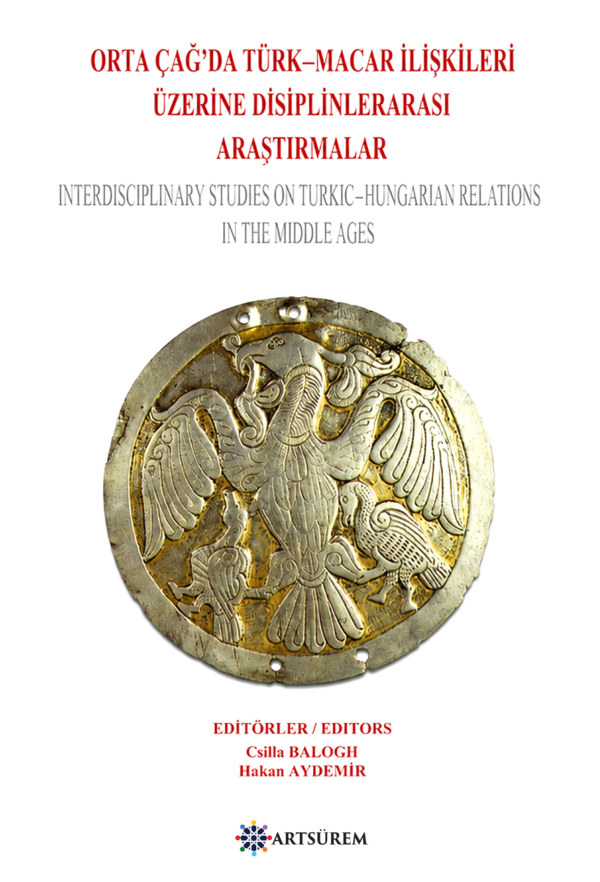
This chapter gives an overview of the burials attributed to the elite of the Cumans who settled in the Kingdom of Hungary in the 13th century. It outlines the Cumans’ settlement in 1239 and again in 1246, the territories assigned to the seven Cuman clans in the central and southern Great Hungarian Plain, the later system of autonomous seats (szék), and the history of research from János Jerney and Géza Nagy to István Éri and the excavation at Csengele-Bogárhát. It catalogues the fifteen pagan burial assemblages of the Cuman tribal and clan aristocracy known to date (twelve male and three female), concentrated in the southern Kiskunság. These are evaluated in terms of burial customs, grave orientation, niche-grave structure, horse burial, horse equipment, weapons and armour, belts and jewellery, with medieval wall paintings of the Saint Ladislaus legend and Cuman stone statues used as comparative evidence. The finds fall into three groups: objects of eastern, steppe origin, which form the largest group; objects showing Byzantine influence, most evident in the female burial at Balotapuszta; and objects linked to Latin Christian culture, such as knightly belts, swords and axes. The chapter concludes that these burials represent the first two generations of the Cuman elite in Hungary and that the disappearance of the pagan burial rite at the end of the 13th century reflects the elite’s integration into Hungarian society. The medieval hoards from Kiskunhalas-Fehértó, Kiskunhalas-Alsóbodoglár and Kelebia attest the more modest wealth of their descendants and their assimilation into medieval Hungarian culture.
Downloads
Pages
Published
License

This work is licensed under a Creative Commons Attribution-NonCommercial 4.0 International License.
