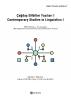
Çağdaş Dilbilim Yazıları I
Anahtar kelimeler:
çağdaş dilbilim, deneysel dilbilim, dijital yöntemler, dilbilimsel kanıt, söylem çalışmaları, tarihsel ve karşılaştırmalı dilbilim, yapay zekâ, yöntemsel çoğulculukÖzet
Çağdaş Dilbilim Yazıları I, net bir editoryal yaklaşımla yayımlanmıştır: Çağdaş dilbilimi bir araya getiren unsur tek bir yöntem, dil ailesi veya kuramsal ekol değil; dilsel örüntülerin farklı kanıt biçimleri aracılığıyla nasıl gözlemlenebilir, yorumlanabilir ve savunulabilir hale geldiğini göstermeye dayalı ortak bir açıklayıcı görevdir. Bu derleme eser, çeşitliliği başlı başına bir amaç olarak sunmak yerine; tarihsel kayıtları, el yazmalarını ve yazıtları, derlemleri, deneyleri, söylem verilerini, bibliyometrik haritalamaları ve yapay zekâ aracılı metinleri, dilbilimsel analiz için birbirini tamamlayan kanıtsal alanlar olarak ele almaktadır.
Yirmi bölümden oluşan bu cilt; tarihsel-karşılaştırmalı yeniden kurma ve sözcük tarihinden biçimsözdizime, sesbilgisi ve sesbilime, anlambilime, söylem ve üstsöyleme, iki dilli ve miras dil işlemlemeye, bibliyometrik araştırmalara ve dilbilim ile yapay zekâ arasında filizlenen arayüzlere kadar geniş bir yelpazeye uzanmaktadır. Tüm bu katkıları birbirine bağlayan şey ise ortak bir sorular bütünüdür: Dilsel örüntüler nasıl sınırlandırılır, işlenir, belgelenir ve dönüştürülür? Dilbilimsel analiz için ne tür veriler yeterli kanıt sayılır? Ve yeni araçlar alanın ampirik temellerini nasıl yeniden şekillendirmektedir?
Kitabın en güçlü yanlarından biri, kuramsal altyapıya sahip argümantasyonu, hem Türkçe hem de diğer diller üzerine yapılmış yöntemsel olarak açık ve belirgin çalışmalarla harmanlamasıdır. Eserin temel katkısı, yöntemsel çoğulculuğun gelişigüzel bir karmaşa değil, kümülatif bir argüman olduğunu göstermesidir: Farklı veri türleri, aynı nesnenin—tarihsel bir kayıt, yapılandırılmış bir sistem, bilişsel bir süreç ve bağlamsal kullanım olarak dilin—farklı boyutlarını aydınlatır. Tarihsel derinliği, biçimsel analizi, ampirik ölçümü ve dijital yenilikleri tek bir çerçevede buluşturan bu cilt; çağdaş dilbilimin ne olduğuna, nasıl ilerlediğine ve kümülatif dilbilimsel bilginin birbirinden farklı materyaller ve yöntemler üzerinden nasıl inşa edildiğine dair tutarlı bir açıklama sunmaktadır.
Bölümler
-
Indeterminacy in etymology: Reconstructing the PIE word for ‘sheep’ with notes also on Tocharian B ās ‘goat’ and PIE *h₂éwis ‘bird’
-
Morphophonological, morphosyntactic, and iconic constraints governing irreversible nominal and verbal bicoordinatives in Turkish
-
Grasping grammar: The haptic turn in language documentation
-
Çevrim içi dilbilim araştırmaları için PCIbex Farm: Tasarım ve uygulama
-
Distinctive diacritics in the Atil-Turkic epitaphs and in the Yarkand documents
-
Revisiting verbal reflexivity: On the morphosyntax and argument structure of IN derived verbs in Turkish
-
Does Chatgpt argue through structure or stance? A metadiscourse analysis of English argumentative essays across topics
-
Türkçede ünlü formantlarının meta-analitik incelenmesi: Yöntembilimsel farklılıklar ve etkileri
-
Fonetik–fonolojik süreklilik ve ünlü dörtgeni bağlamında Türkçedeki /a/ ünlüsünün kavramsal konumu
-
Altaic studies – What has not been compared so far
-
Yapay zekâ çağında adli dilbilimde yazar analizi
-
Idiom studies in the last decade: A bibliometric mapping of research traces based on web of science
-
Ya dışındasındır dilbilimin ya da içinde
-
Remarks on Turkish interrogative complement clauses and verb subcategorization
-
Self-paced reading tests with psychopy: A versatile tool for linguistic data collection
-
Yenisey Türkçesi runik yazıtlarının belgelenmesi: 2024 yılı epigrafik saha çalışması
-
Morphological processing of Turkish derived words: Does bilingualism affect the processing route?
-
Understanding humor in Temel jokes: Insights from conversation analysis, conversational maxims, and speech act theory
-
Optional subject-verb agreement in heritage Turkish
-
Phasal diagnostics: A critical review
Referanslar
Bölüm kaynakçaları, ilgili makalelerin kendi sayfalarında ayrıca sunulmuştur. (References for each chapter are provided within the respective chapter metadata).
İndir
Yayınlanan
Lisans

Bu çalışma Creative Commons Attribution-NonCommercial 4.0 International License ile lisanslanmıştır.